

Noticing visible veins on your hands or arms can be surprising, especially if they seem more noticeable than before. While many people immediately assume something is wrong, the truth isn’t always that simple. In fact, some of the most common reasons have nothing to do with illness—and one of them might surprise you.
1. You Naturally Have Thin Skin
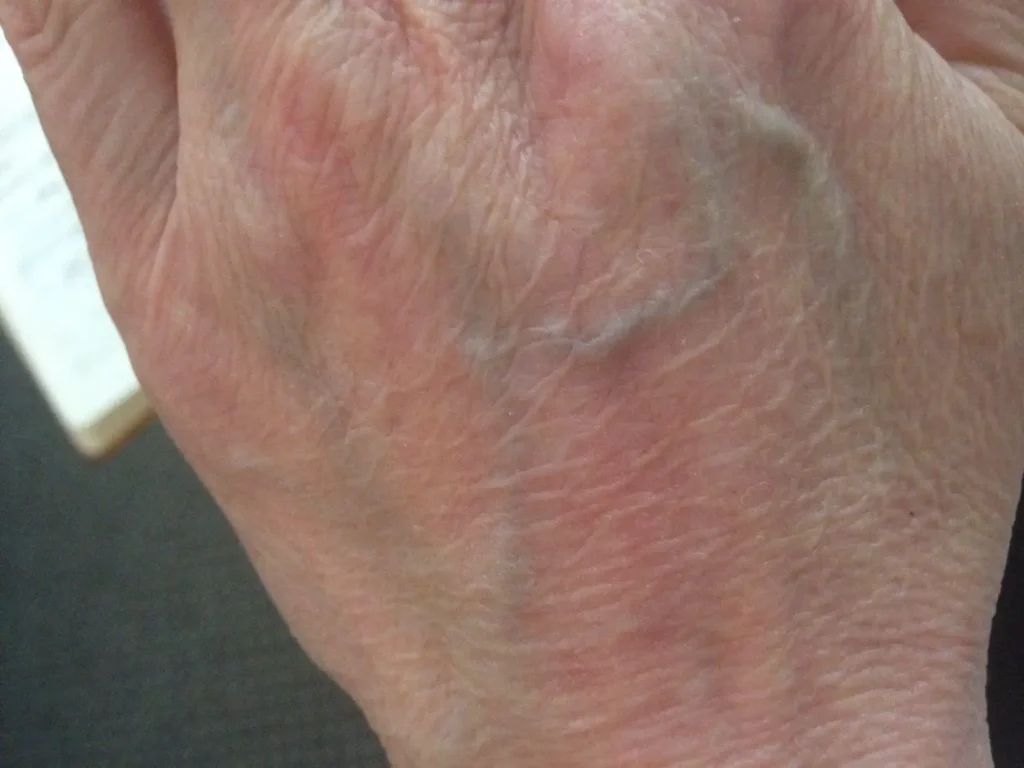
One of the most common reasons for visible veins is simply having thin skin. When the skin is thinner, especially on the hands and wrists, veins become easier to see beneath the surface. This is completely normal for many people and usually isn’t something to worry about. Genetics largely determine your skin thickness, so visible veins may simply run in your family.
2. You Have a Lower Body Fat Percentage
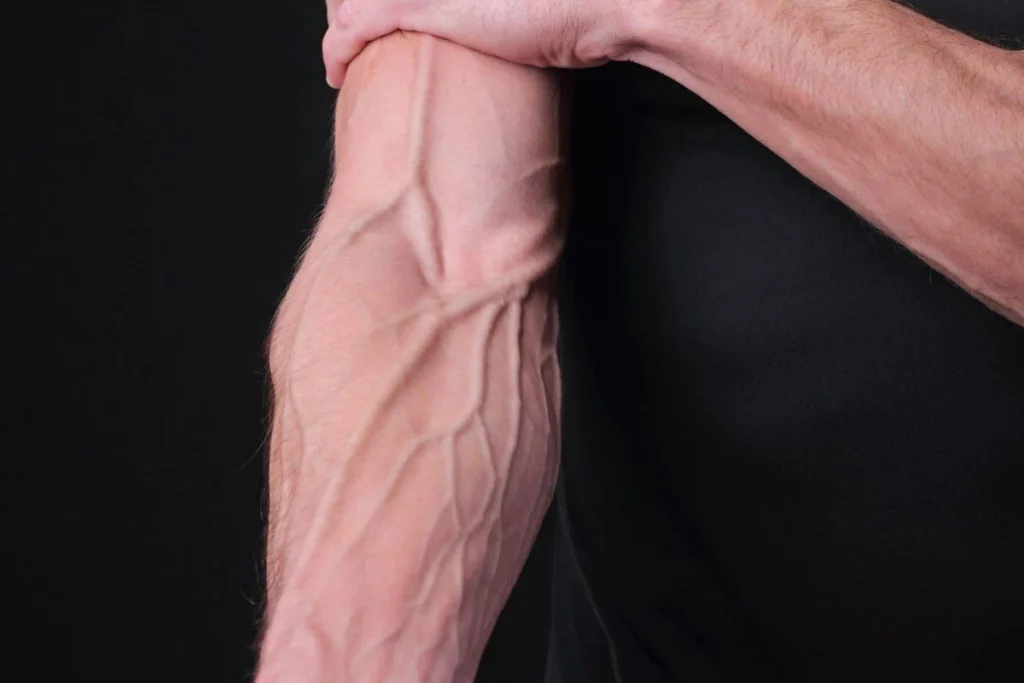
People with lower body fat often have more noticeable veins because there’s less fat covering the blood vessels. This is especially common among athletes, bodybuilders, runners, and physically active individuals. In many cases, visible veins are actually a sign of fitness rather than poor health. The leaner the body becomes, the easier veins are to see.
Pro Tip
If you’ve recently lost weight and your veins suddenly seem more noticeable, it may simply be because there’s less fat beneath your skin—not because anything is medically wrong.
3. Genetics Play a Bigger Role Than You Think
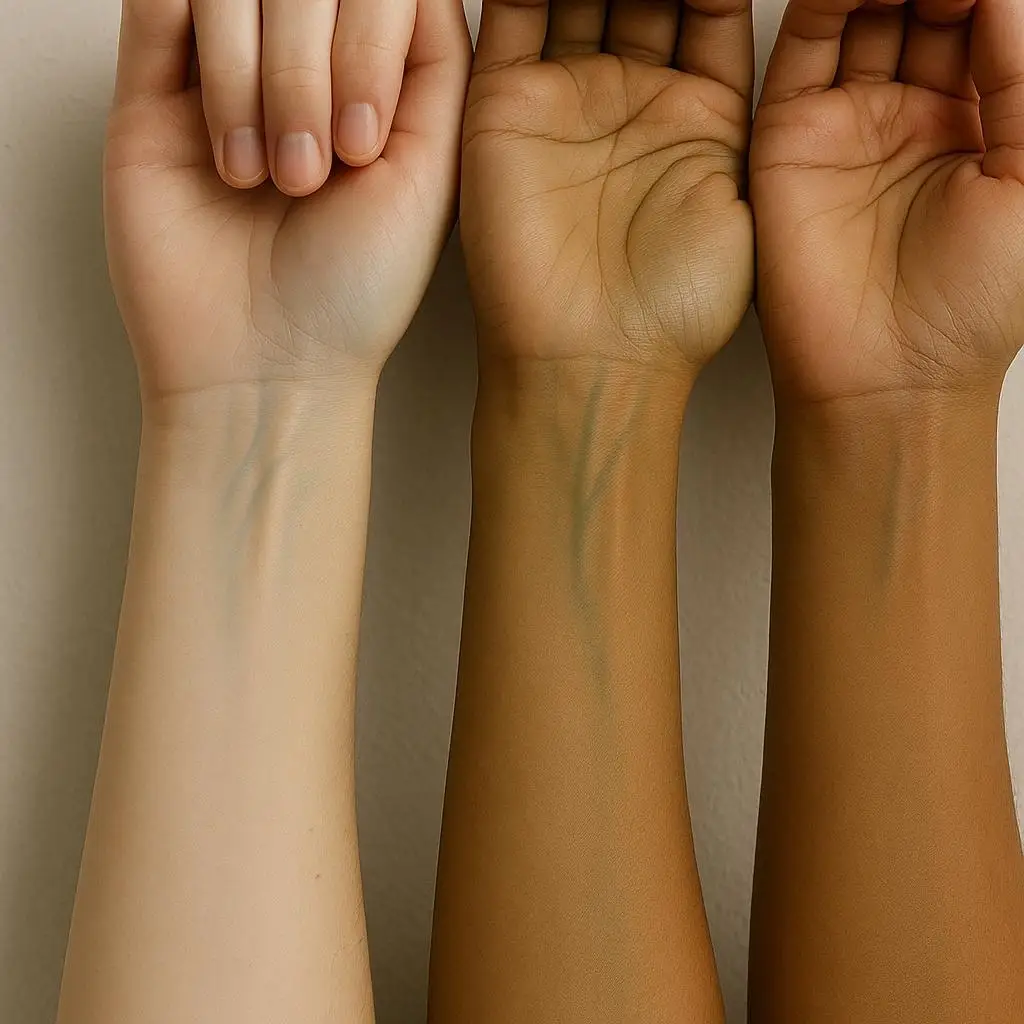
Sometimes visible veins are simply inherited. If your parents or close relatives have naturally prominent veins, there’s a good chance you will too. Genetics affect your skin thickness, body composition, and vein structure. That’s why two healthy people can have completely different-looking hands and arms.
4. Exercise Temporarily Makes Veins Stand Out
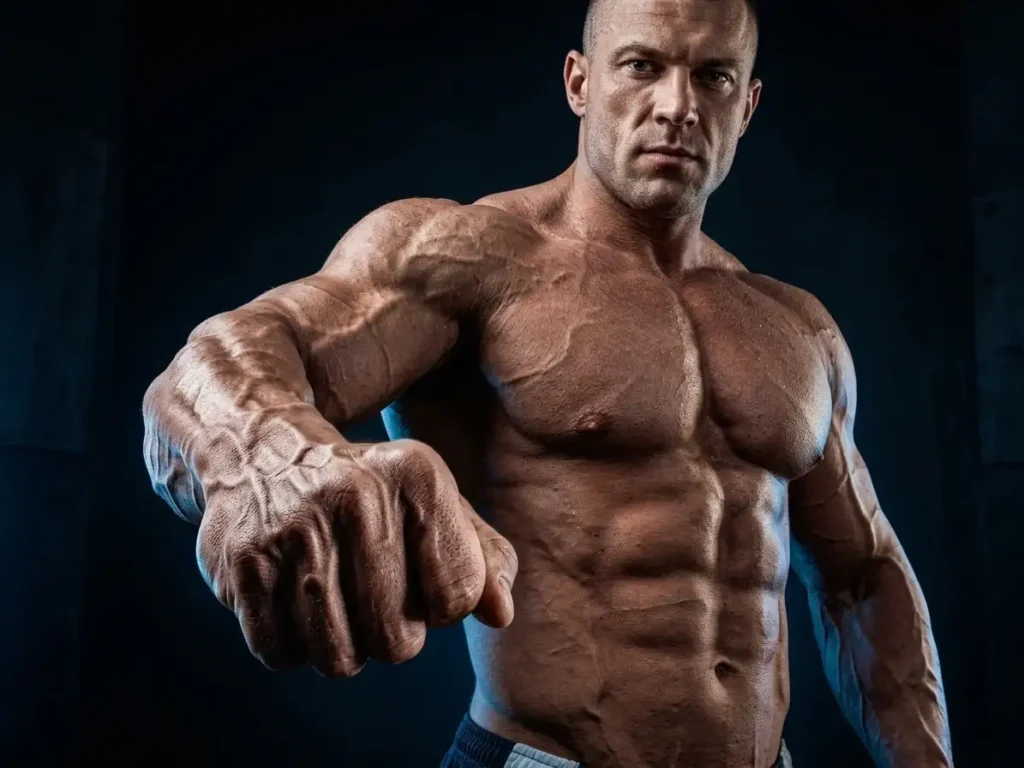
Have you ever noticed your veins become more visible after a workout? That’s completely normal. During exercise, muscles require more oxygen, so blood flow increases and veins expand slightly. Once your body cools down and your heart rate returns to normal, the veins usually become less noticeable again.
⚠️ Warning
Visible veins by themselves are usually not dangerous.
However, if they’re accompanied by:
- Pain
- Swelling
- Redness
- Warm skin
- Sudden appearance
you should seek medical advice, as these symptoms may indicate a condition that needs evaluation.
5. Aging Makes Veins More Noticeable
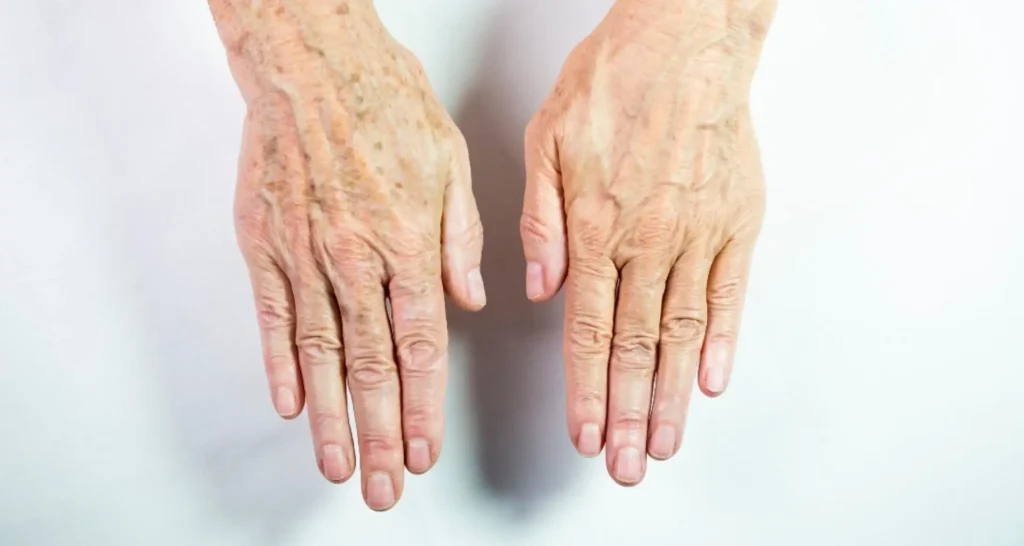
As we age, our skin naturally becomes thinner and loses some of its elasticity. At the same time, the layer of fat beneath the skin also decreases. These natural changes make veins easier to see, especially on the hands, arms, and feet. For most older adults, this is simply a normal part of aging rather than a sign of illness.
Quick Recap So Far
✅ Thin skin
✅ Low body fat
✅ Genetics
✅ Exercise
✅ Aging
These are the five most common reasons people have visible veins—and in most cases, they’re completely normal.
6. Warm Weather Can Make Your Veins More Visible
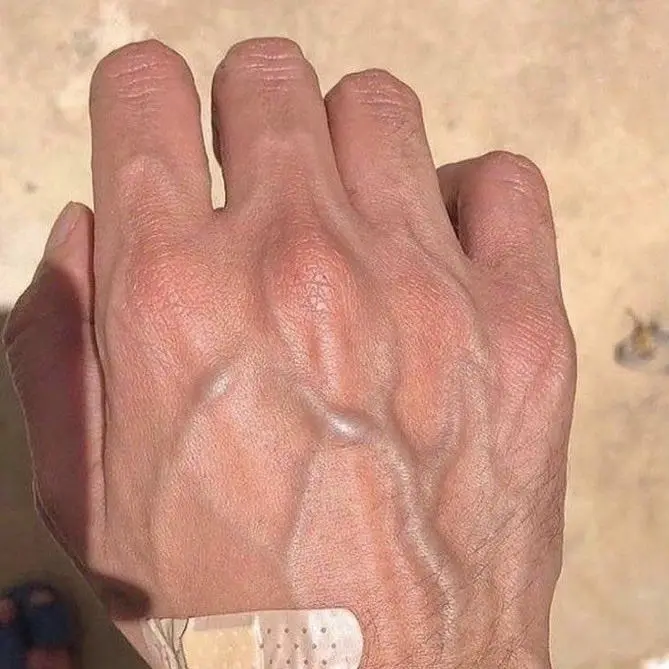
Have you ever noticed your veins becoming more noticeable during the summer? That’s because heat causes blood vessels to expand, allowing more blood to flow closer to the skin’s surface. As a result, veins appear larger and easier to see. This is a normal response that usually disappears once your body cools down.
7. Sometimes Visible Veins Can Signal an Underlying Condition
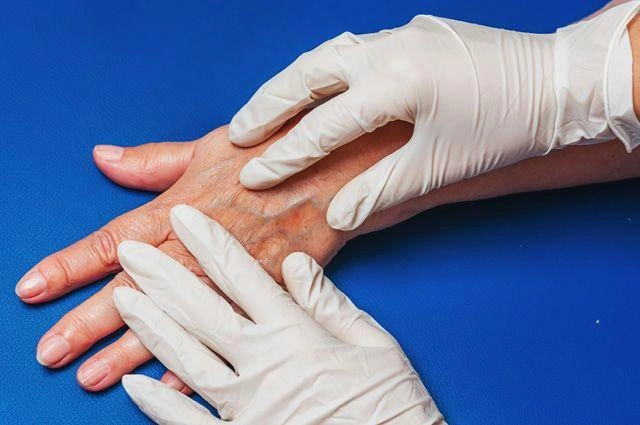
Although visible veins are usually harmless, there are situations where they deserve medical attention. If your veins suddenly become swollen, painful, hard, or change color, it could be linked to an underlying vein condition. While these cases are less common, it’s always better to have unusual changes evaluated by a healthcare professional rather than ignoring them.
When Should You See a Doctor?
You should consider seeking medical advice if your visible veins are accompanied by:
✔ Persistent pain
✔ Swelling
✔ Redness or warmth
✔ Skin ulcers
✔ Sudden enlargement
✔ Bleeding from a vein
These symptoms don’t always indicate a serious problem, but they should never be ignored.
8. Varicose Veins Are Different From Normal Visible Veins
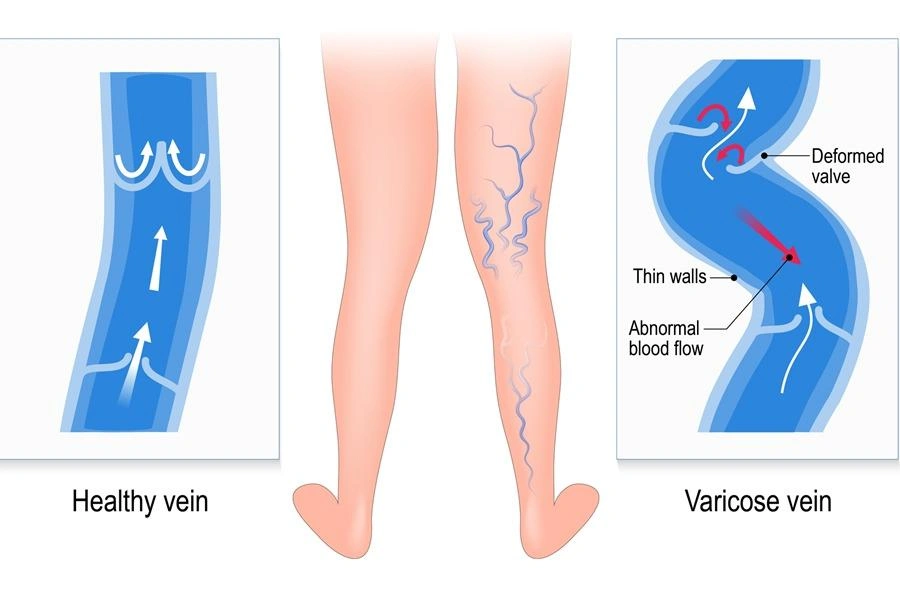
Many people confuse visible veins with varicose veins, but they’re not the same thing. Normal visible veins are usually flat, soft, and painless. Varicose veins, on the other hand, often appear enlarged, twisted, or bulging and may cause aching, heaviness, or discomfort. Knowing the difference can help you decide whether your veins are simply a normal feature or something worth discussing with a doctor.
Did You Know?
Many professional athletes and bodybuilders intentionally develop highly visible veins through years of training and maintaining a low body fat percentage. In fitness circles, this is often called “vascularity” and is generally considered a sign of low body fat and increased muscle definition—not poor health.
9. Many Online Myths About Visible Veins Are Simply False

The internet is full of claims about what visible veins supposedly reveal about your health. Some people believe they always indicate poor circulation, while others claim they mean you’re dehydrated or seriously ill. In reality, visible veins alone cannot diagnose any medical condition. They’re only one small piece of the bigger picture, which is why it’s important to rely on trustworthy medical advice instead of social media myths.
Myth vs. Fact
| Myth | Fact |
|---|---|
| Visible veins always mean poor health. | ❌ False. They’re often completely normal. |
| Only older adults have visible veins. | ❌ False. Young, healthy people can have them too. |
| Exercise causes unhealthy veins. | ❌ False. Exercise often makes healthy veins more visible temporarily. |
| Every visible vein needs treatment. | ❌ False. Most visible veins require no treatment at all. |
10. Healthy Lifestyle Habits Help Support Healthy Veins

Even though visible veins are usually harmless, maintaining healthy circulation is still important. Regular exercise, staying hydrated, maintaining a healthy weight, and avoiding long periods of sitting or standing can all support good vein health. These habits benefit your entire cardiovascular system and may also reduce your risk of future vein-related problems.
Healthy Vein Checklist
Take a quick look at your daily habits:
☐ I stay physically active most days.
☐ I drink enough water throughout the day.
☐ I avoid sitting or standing in one position for too long.
☐ I maintain a healthy body weight.
☐ I pay attention to sudden changes in my veins.
☐ I seek medical advice if I experience pain or swelling.
The more boxes you can check, the better you’re supporting your vein health.
Key Takeaway
Visible veins are usually a normal part of the human body. They are commonly influenced by genetics, body fat, skin thickness, age, and physical activity. However, if your veins suddenly become painful, swollen, or change dramatically, it’s wise to seek medical advice to rule out any underlying issues.
Conclusion
Seeing visible veins on your hands, arms, or legs can be surprising, but in most cases, there’s no reason to panic. For many people, prominent veins simply reflect their natural body structure, fitness level, or age rather than an illness.
The most important thing is to pay attention to changes. If your veins have always looked this way and aren’t causing discomfort, they’re likely just a normal part of your body. But if you notice sudden swelling, pain, or other unusual symptoms, a healthcare professional can help determine whether further evaluation is needed.
Frequently Asked Questions
Are visible veins a sign of good health?
Not necessarily. Visible veins are usually influenced by genetics, body fat, skin thickness, and age. They don’t automatically indicate either good or poor health.
Why are my hand veins becoming more visible?
This can happen due to aging, weight loss, exercise, warmer temperatures, or simply because of your natural genetics.
Should I worry about visible veins?
Most of the time, no. However, if they’re painful, swollen, hard, or appear suddenly with other symptoms, you should seek medical advice.
Can drinking more water make veins disappear?
Staying hydrated supports healthy circulation, but it usually won’t make naturally visible veins disappear.
Do athletes have more visible veins?
Yes. Many athletes have prominent veins because they typically have lower body fat and greater muscle definition, making veins easier to see.


