

Every marriage goes through difficult seasons, but sometimes small changes in behavior can leave one partner wondering if something deeper is happening. A husband who has built up resentment doesn’t always express it directly—in many cases, it quietly shows up through everyday actions instead.
Some of these behaviors may seem harmless on their own, while others can slowly damage emotional connection over time. The signs below are often overlooked, yet they can reveal when resentment has begun replacing healthy communication.
Before We Begin…
Not every difficult behavior means a husband secretly hates his wife. Stress, work pressure, mental health, and unresolved conflicts can also affect the way someone acts. That’s why it’s important to look for consistent patterns, not isolated moments.
1. He Stops Caring About Your Feelings

One of the earliest signs of growing resentment is emotional indifference. Instead of asking how your day was or showing concern when you’re upset, he may seem emotionally unavailable. Conversations become shorter, empathy fades, and your feelings no longer appear to matter as much as they once did. While everyone has difficult days, consistent emotional distance can slowly weaken the relationship.
2. He Criticizes Almost Everything You Do

Constructive feedback is part of every healthy relationship, but constant criticism is different. A husband carrying hidden resentment may begin finding fault in small everyday habits, from the way you speak to the choices you make. Instead of appreciating your efforts, he focuses on mistakes, creating an atmosphere where nothing seems good enough. Over time, repeated criticism can damage trust and self-confidence.
3. He Avoids Spending Time Together

People naturally need personal space, but repeatedly avoiding quality time can signal emotional withdrawal. He may stay longer at work, spend more time on his phone, or always find reasons to be somewhere else. Rather than enjoying shared moments, he seems relieved whenever distance exists between you. Consistent avoidance often reflects deeper relationship issues that shouldn’t be ignored.
Pro Tip
Healthy marriages aren’t measured by how often couples disagree—they’re measured by how willing both partners are to reconnect after conflict. Consistent communication usually solves more problems than silent resentment ever will.
4. He Shows Little Interest in Conversations

Communication is one of the strongest foundations of a healthy marriage. When resentment builds, meaningful conversations often disappear. He may respond with one-word answers, avoid eye contact, or appear distracted whenever you speak. Instead of engaging with what matters to you, he seems emotionally checked out. Over time, this lack of connection can create loneliness even while living under the same roof.
5. He No Longer Celebrates Your Success

Partners who care about one another usually celebrate each other’s achievements, no matter how small. If he rarely congratulates you, dismisses your accomplishments, or changes the subject whenever something good happens in your life, it may reflect growing emotional distance. A supportive marriage should make both people feel encouraged rather than overlooked.
6. He Becomes Easily Irritated Around You

Everyone gets irritated from time to time, especially during stressful periods. However, if he seems annoyed by almost everything you say or do—even over small issues—it may point to unresolved resentment. Small misunderstandings quickly turn into arguments, and ordinary conversations feel tense. When irritation becomes the default instead of the exception, it’s often worth exploring the deeper reasons behind it.
7. He Stops Showing Affection

Affection isn’t only about romance—it also includes simple gestures like holding hands, hugging, smiling, or showing appreciation. If those moments gradually disappear without any clear explanation, emotional distance may be growing. While every couple expresses affection differently, a lasting absence of warmth can leave one partner feeling isolated and unloved.
8. He Keeps Important Things Secret

Healthy relationships are built on honesty and trust. If he begins hiding important decisions, avoiding discussions about finances, keeping his phone unusually private, or leaving you out of conversations that once included you, it may signal that openness in the relationship has changed. Privacy is healthy, but secrecy that damages trust deserves honest communication.
9. He Makes You Feel Like a Burden
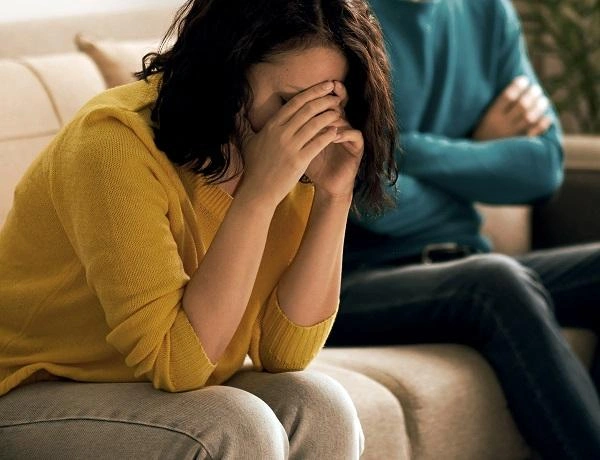
One of the most painful experiences in a marriage is feeling like your presence is an inconvenience. He may sigh when you ask for help, dismiss your concerns, or make you feel guilty for wanting attention or support. Over time, these behaviors can affect confidence and emotional well-being. A healthy marriage should make both partners feel valued rather than unwanted.
Pro Tip
Before assuming the worst, try to notice patterns instead of isolated moments. Everyone has stressful days, but repeated behaviors over weeks or months often provide a clearer picture of the relationship.
10. He Treats Other People Better Than He Treats You

Perhaps one of the most confusing signs is watching someone be patient, friendly, and respectful with everyone else while becoming cold or dismissive at home. If he consistently offers more kindness to friends, coworkers, or even strangers than to his own spouse, it may leave you wondering what changed. While occasional bad moods are normal, a long-term pattern of unequal treatment can signal unresolved emotional issues that deserve attention.
Important Note
This article highlights possible behavioral patterns, not definite proof that a husband secretly hates his wife. Stress, depression, burnout, health concerns, financial pressure, or unresolved conflicts can sometimes lead to similar behaviors. If these patterns are persistent and affecting your relationship, an open conversation—or professional relationship counseling—may be more helpful than making assumptions.
Myth vs. Fact
| Myth | Fact |
|---|---|
| Every argument means love is gone. | ❌ False. Healthy couples disagree too. |
| A quiet husband always hates his wife. | ❌ False. Personality, stress, or mental health can also affect communication. |
| Constant criticism can damage a marriage. | ✅ True. Repeated criticism often weakens emotional connection. |
| Healthy relationships require honest communication. | ✅ True. Respectful communication is one of the strongest foundations of lasting marriages. |
Quick Relationship Checklist
Ask yourself whether these behaviors happen consistently, not just occasionally.
✔ He rarely shows empathy.
✔ He criticizes more than he appreciates.
✔ He avoids spending time together.
✔ Conversations feel forced or one-sided.
✔ Affection has noticeably disappeared.
✔ He hides important information.
✔ You often feel like a burden.
✔ He seems kinder to everyone else.
If several of these patterns continue over a long period, it may be worth having an honest conversation about the relationship.
Key Takeaway
A strong marriage isn’t defined by the absence of conflict—it’s defined by mutual respect, emotional support, and healthy communication. When resentment quietly replaces these qualities, small behaviors can gradually create emotional distance. Recognizing those patterns early gives both partners a better opportunity to rebuild trust before the relationship suffers further.
Conclusion
Every marriage experiences ups and downs, and no single behavior can accurately define someone’s feelings. However, when emotional distance, criticism, avoidance, and lack of respect become ongoing patterns rather than occasional reactions, they’re worth paying attention to. Instead of jumping to conclusions, use these signs as a starting point for honest communication and reflection. In many cases, understanding the real issue is the first step toward improving the relationship.
Frequently Asked Questions
Can stress make someone act this way?
Yes. Work pressure, financial worries, health issues, or emotional burnout can temporarily affect behavior, which is why it’s important to look for long-term patterns.
Does criticism always mean a husband hates his wife?
No. Occasional criticism is normal. The concern arises when criticism becomes constant and replaces appreciation or respect.
What should I do if I notice several of these signs?
Start with an honest, calm conversation. If the problems continue, relationship counseling may help both partners understand the underlying issues.
Can a marriage recover after emotional distance?
Yes. Many marriages improve when both partners are willing to communicate openly, rebuild trust, and work together toward positive change.
Is emotional withdrawal always permanent?
Not necessarily. Emotional distance can sometimes be reversed when the underlying causes are identified and addressed together.


