

Emotional cheating can be just as painful as physical infidelity. While there may be no physical relationship involved, emotional affairs often create secrecy, distance, and broken trust within a relationship. Many people don’t recognize the signs at first because emotional cheating usually develops gradually.
It’s important to remember that no single behavior automatically proves emotional cheating. However, when several of these signs appear together, they may indicate that emotional energy and attention are being invested outside the relationship.
1. He Shares Personal Thoughts With Someone Else First

In healthy relationships, partners often turn to each other for support and advice. When a man begins sharing his deepest thoughts, frustrations, and personal victories with someone else before his partner, emotional boundaries may be shifting. This creates intimacy outside the relationship and can weaken the emotional bond at home.
2. He Becomes Secretive About Messages

A sudden increase in secrecy around phones, social media, or messaging apps can raise concerns. He may quickly close conversations, turn off notifications, or avoid discussing who he’s talking to. Privacy is normal, but unusual secrecy often damages trust and creates questions within a relationship.
3. He Compares You to Someone Else

When emotional attachment grows toward another person, comparisons sometimes begin. He may mention how understanding, supportive, or fun someone else is while highlighting your flaws. These comparisons can be hurtful and often signal emotional investment outside the relationship.
Warning
Not every friendship is emotional cheating. Healthy friendships exist in many relationships. The issue usually arises when secrecy, emotional intimacy, and romantic attachment begin replacing the connection with a partner.
4. He Seems Less Interested in Spending Time With You
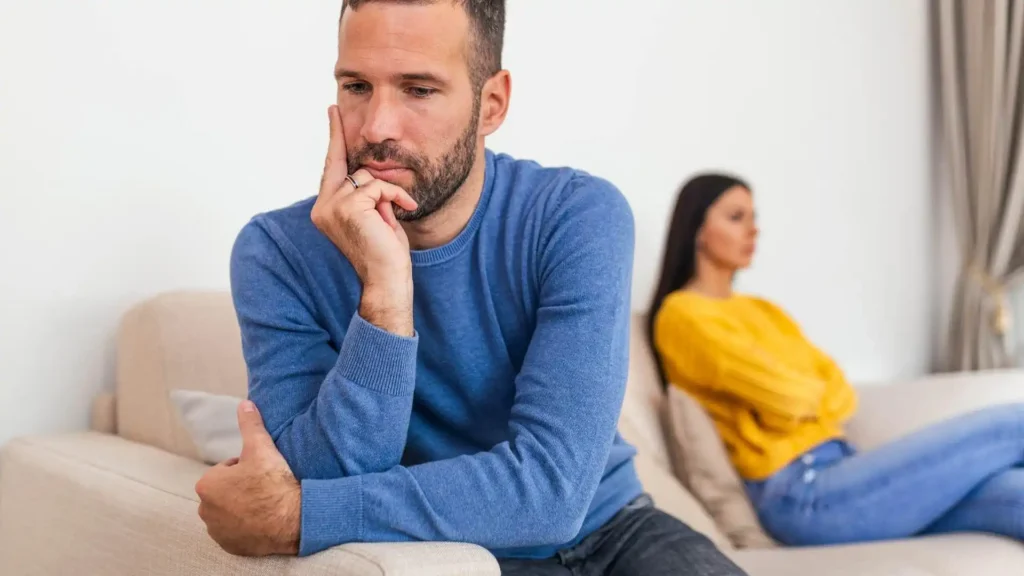
A man involved in an emotional affair may gradually withdraw from quality time with his partner. Activities that once felt enjoyable may start feeling like obligations. As attention shifts elsewhere, emotional distance often becomes more noticeable at home.
5. He Defends One Particular Person Constantly

If concerns are raised about a specific person, he may react strongly or become unusually defensive. Rather than discussing the situation openly, he may dismiss concerns or insist that nothing is wrong. Excessive defensiveness sometimes indicates a deeper emotional attachment.
6. He Hides the Nature of Their Relationship

One of the clearest warning signs is hiding details about another relationship. He may avoid mentioning how often they communicate or minimize the importance of the connection. When transparency disappears, trust often becomes harder to maintain.
Pro Tip
Healthy relationships thrive on openness. If something would make a partner uncomfortable if they knew about it, it’s often worth examining whether emotional boundaries are being crossed.
7. He Becomes Emotionally Distant at Home

Emotional energy is limited. When a significant amount is directed toward someone outside the relationship, less may remain for a partner. Conversations become shorter, affection decreases, and emotional connection weakens. Over time, this distance becomes difficult to ignore.
8. He Prioritizes Someone Else’s Feelings Over Yours
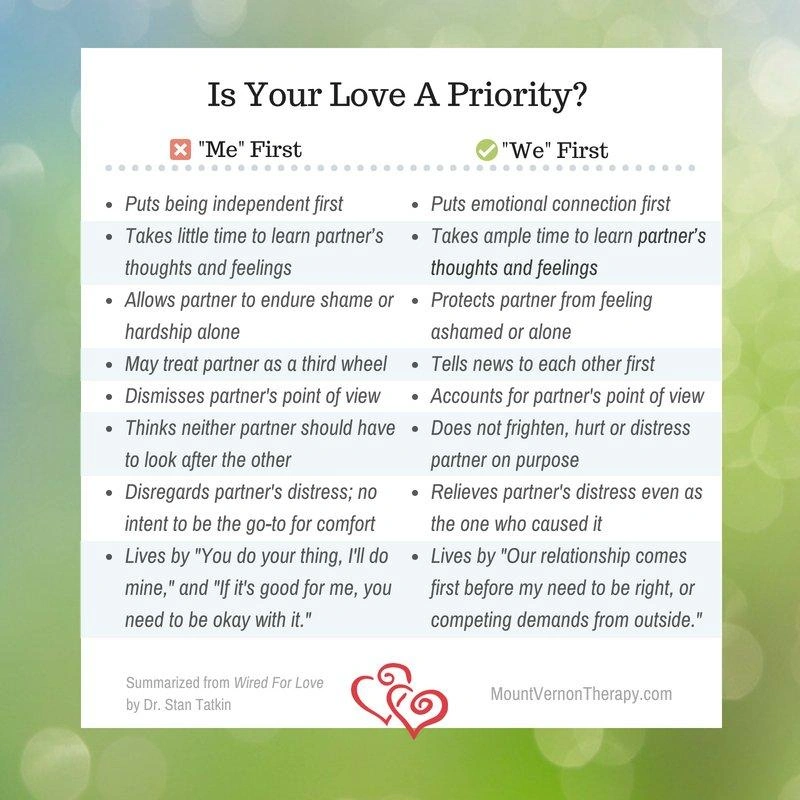
A strong sign of emotional cheating is when another person’s feelings consistently take priority over the partner’s. He may worry more about protecting their emotions, opinions, or happiness than maintaining the health of his own relationship. This shift in loyalty often creates serious relationship challenges.
Quick Checklist
- Shares personal thoughts with someone else first
- Becomes secretive about messages
- Frequently compares you to another person
- Avoids spending time together
- Defends one specific person constantly
- Hides details of a friendship
- Grows emotionally distant
- Prioritizes someone else’s feelings
If several of these signs appear together, honest communication may be necessary to understand what’s happening.
Conclusion
Emotional cheating often starts with small boundary crossings that seem harmless at first. Over time, however, these behaviors can create emotional distance, secrecy, and trust issues within a relationship. The challenge is that emotional affairs are often harder to identify than physical ones because they develop gradually.
Rather than making assumptions, focus on communication, honesty, and mutual understanding. Addressing concerns early can help couples strengthen their relationship before emotional distance becomes a larger problem.
Frequently Asked Questions
What is emotional cheating?
Emotional cheating occurs when a person forms a deep emotional connection with someone outside their relationship in a way that undermines trust and intimacy with their partner.
Is emotional cheating as serious as physical cheating?
Many people consider emotional cheating equally painful because it involves emotional intimacy, secrecy, and broken trust.
Can emotional cheating happen without romantic feelings?
Sometimes emotional connections begin as friendships, but problems arise when emotional boundaries become blurred and intimacy starts replacing the primary relationship.
How do I talk to my partner about emotional cheating?
Choose a calm moment, focus on specific behaviors, and discuss how those actions make you feel rather than making accusations.
Can a relationship recover from emotional cheating?
Yes. Many couples rebuild trust through honest communication, accountability, and a shared commitment to repairing the relationship.


